

 Diacronía Inglesa y Dialectología Inglesa - Universidad de Salamanca

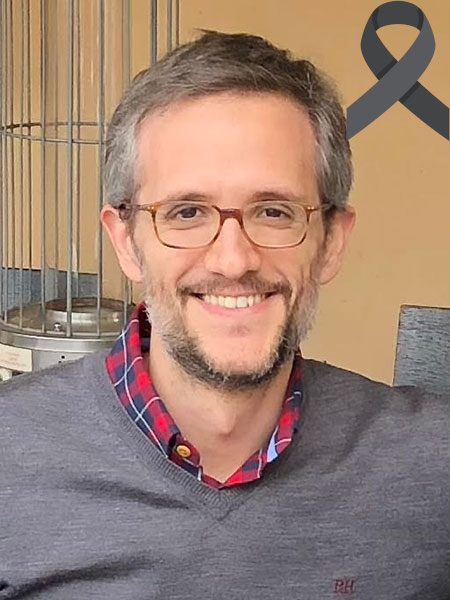
Javier Ruano-García
Associate Professor of English Language and Linguistics
DING coordinator (2023-2026)
† Javier Ruano-García (1981-2026) obtained an MA in English Language and Literature from the University of Salamanca and a PhD in English Linguistics in 2008, with a dissertation co-supervised by María F. García-Bermejo Giner and Pilar Sánchez-García on early modern northern English lexis. He has taught in the Department of English Philology in Salamanca since 2008, where he works as Associate Professor. He teaches undergraduate courses on the history of the English language, linguistic variation in Early Modern English, and MA courses on phonological dialect variation and academic writing. As from September 2023, Javier is the PI of the research group. His main research interests lie in the fields of historical language variation, with a focus on regional dialects of the early and late modern English periods, historical sociolinguistics, corpus linguistics, historical dialect lexicography and manuscript editing. He has been involved in the compilation of the Salamanca Corpus for the past ten years, taking care of specimens representative of the Lancashire dialect and other varieties of northern English. Javier has done research and / or given seminars at the universities of Cambridge, Leeds, Manchester, Leipzig, UCL, the Institute of English Studies (London), Lisbon, Oxford, Rome and Milan, where he was appointed visiting professor of English Linguistics during the first semester of the academic year 2021-2022.

Pilar Sánchez-García obtained an MA in English Language and Literature from the University of Salamanca and a PhD in English Linguistics in 2000, with a dissertation supervised by Gudelia Rodríguez on the spelling representation of Northern English dialects during the nineteenth century. She has taught in the Department of English Philology in Salamanca since 1994, where she obtained a position as Associate Professor in 2015. She teaches undergraduate and MA courses on the history of the English language, linguistic variation in literary texts, and English diachronic dialectology. She has been a member of the DING group since 2009 and her main areas of research are English diachronic dialectology, corpus linguistics, literary dialects and dialect literature, corpus linguistics.
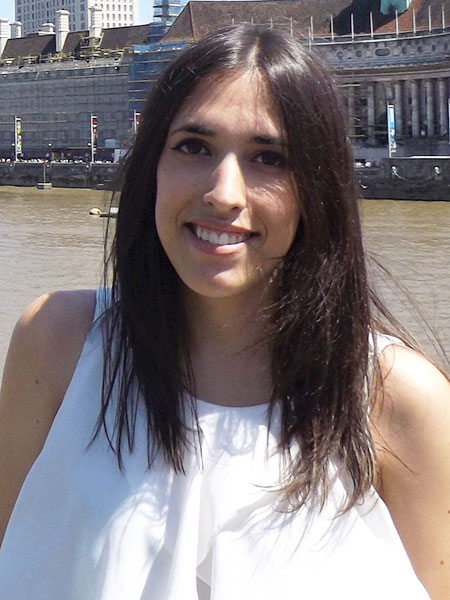
Paula Schintu Martínez obtained an MA in Advanced English Studies from the Universities of Salamanca and Valladolid (2015) and a PhD in English Linguistics in 2022, with a dissertation co-supervised by Javier Ruano-García and María F. García-Bermejo Giner on the enregisterment of 19th and 20th-century Derbyshire dialect. She has been a member of the Department of English Philology at the University of Salamanca since 2017, where she works as a full-time lecturer. She teaches undergraduate modules on English Phonetics and Phonology, History of the English Language, English Dialectology, and Linguistic Variation in Early Modern English. Her main fields of research are English historical linguistics and sociolinguistics, diachronic dialectology and enregisterment in historical contexts. As from November 2024, Paula is the convenor of the Historical Linguistics panel at the conferences of AEDEAN, the Spanish Association of Anglo-American Studies. She has been a member of DING since 2017.
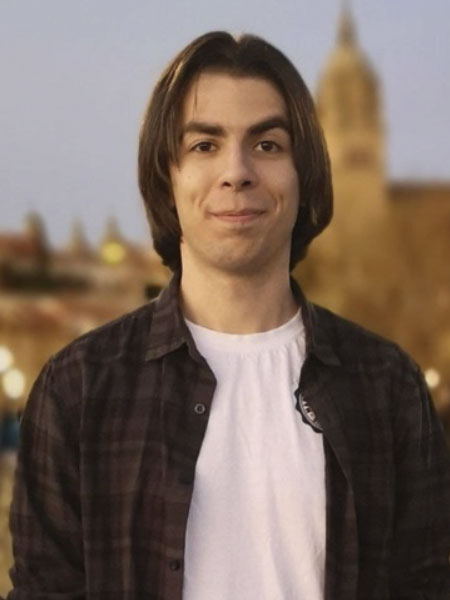
René Pérez Tissens
René Pérez Tissens obtained a BA in English Studies from the University of Salamanca (2018), an MA in Secondary Education and Foreign Language Teaching from the University of Salamanca (2019) and a PhD in English Linguistics (2024) with a dissertation on the enregisterment of the Devonshire dialect during the Late Modern English period supervised by Javier Ruano-García. He has presented papers at the universities of Extremadura, Málaga, Cantabria, Sevilla, Zaragoza, Las Palmas de Gran Canaria and Salamanca, as well as published his research on dialect writing in Late Modern Scots, newspapers as vehicles for dialect spread and his ongoing work on south-western dialects. His main fields of investigation encompass historical linguistics and sociolinguistics, with a special interest in the philological environment of Scotland and the West Country. René held a FPU research grant funded by the University of Salamanca, and is currently a postdoctoral researcher in the Department of English Philology in Salamanca. He has been a member of the DING group since 2021.

María F. García Bermejo Giner
Associate Professor of English Language and Linguistics
DING coordinator (2009-2023)
María F. García-Bermejo Giner obtained an MA in English Language and Literature from the University of Salamanca and a PhD in English Linguistics in 1989, with a dissertation supervised by Gudelia Rodríguez that studied the dialects of the West Midlands as represented in the novels of George Eliot. She has been Associate Professor in English Linguistics at the University of Salamanca since 1992, where she teaches undergraduate and MA courses on the history of the English language and English diachronic dialectology. She was the PI of the DING group from 2009 and 2023. Her main areas of research are dialect literature and literary dialects as a source for dialectology, as well as the history of the English language and corpus linguistics.
Collaborators
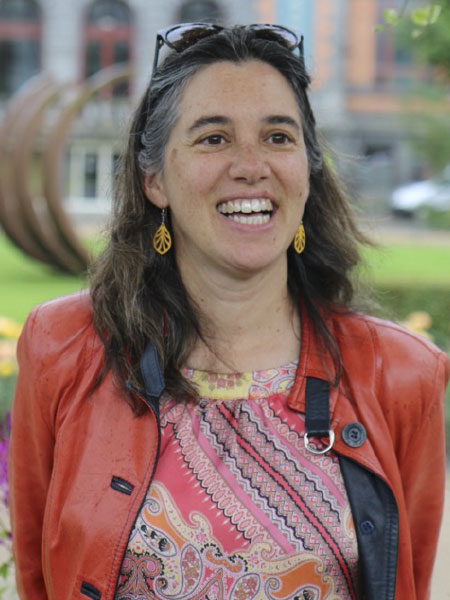
Carolina P. Amador-Moreno (University of Bergen, Norway)
Professor of English Linguistics
Carolina P. Amador-Moreno is Professor of English Linguistics at the University of Bergen. She has held different teaching positions at the University of Extremadura (Department of English), the University of Limerick (Department of Languages and Cultural Studies), and University College Dublin (English Department). Her research interests centre on the English spoken in Ireland and include historical linguistics, stylistics, discourse analysis, corpus linguistics, sociolinguistics, and pragmatics. Her publications include articles and chapters dealing with these topics. She is the author, among others, of Orality in written texts: Using historical corpora to investigate Irish English (1700-1900) (2019); An Introduction to Irish English (2010); the co-edited volumes Irish Identities: Sociolinguistic Perspectives (2020); Voice and Discourse in the Irish Context (2017); and Pragmatic Markers in Irish English (2015). She has been involved in different research projects, at local, national and international level. She’s an associate member of CALS (Centre for Applied Language Studies), IVACS (Inter-Variational Applied Corpus Linguistics network), both at the University of Limerick, and LINGLAP (the Research Institute for Linguistics and Applied Languages), at the University of Extremadura, which she she was Director of until August 2020. She has been a member of the DING group since 2021.
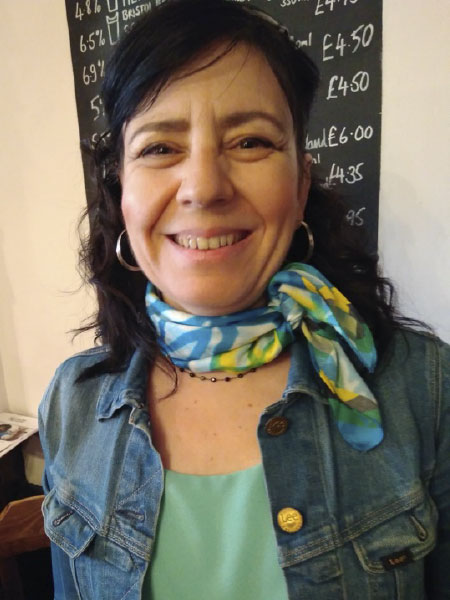
Nuria Calvo Cortés (Complutense University of Madrid)
Senior Lecturer in English Language and Linguistics
Nuria Calvo Cortés has worked as a Lecturer at Complutense University in Madrid (UCM) since 2006. In 2012 she defended her PhD Thesis in English historical linguistics, more specifically on historical cognitive semantics and syntax in the Late Modern English period. She has always shown an interest in English historical and diachronic linguistics, making use of different corpora to carry out a variety of studies. In the last few years, she has concentrated on the analysis of some grammatical aspects of British novels of the 18th and 19th centuries, written mainly by women, from a cognitive perspective. One of her points of interest in this respect is the variety shown in the voices of the narrator and the characters present in the novels, as they often display features that point to dialectal or social differences. Her research is presently also focused on grammatical, sociolinguistic and pragmatic aspects of petitions written in the 18th and 19th centuries in Britain and signed by people belonging to some marginal groups of society, including women and prisoners. She has been a member of the DING group since 2021.
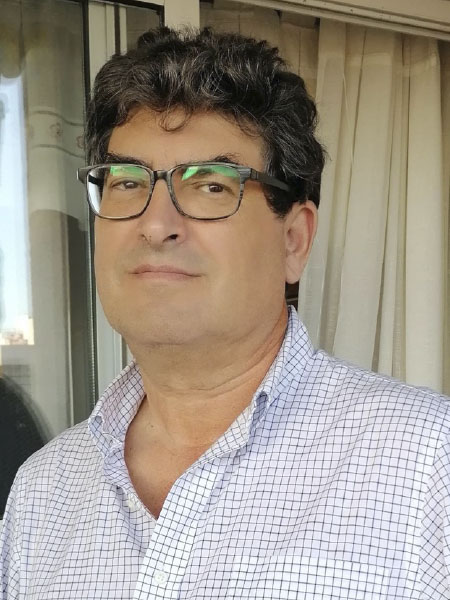
Juan Camilo Conde Silvestre (University of Murcia)
Professor of English Language and Linguistics
Juan Camilo Conde Silvestre is Full Professor in English at the University of Murcia. He has mainly lectured on Medieval English Literature, Old English and the History of the English Language (Middle English, Early and Late Modern English), as well as a variety of courses for postgraduate students on Beowulf, the Old English Elegies, the History of English and Research Methods in (Socio)Historical Linguistics. He was Honorary Research Fellow at the University of Manchester (1992) and at the Centre for Medieval Studies at Toronto University (2019). He has also been visiting scholar and lecturer at several Spanish and British universities (Sevilla, León, Oviedo, Vigo, Málaga, Jaén, Castellón, Exeter, Essex and Chester). His main research interests are Historical Sociolinguistics, the History of the English Language (mainly Middle English dialectology) and Old English literature. Juan Camilo was Executive Director of SELIM (the Spanish Society for Medieval English Language and Literature) between 2002 and 2008, and Chair from 2008 to 2012 and from 2014 to 2018. He is member of the advisory board of international journals and has acted as external advisor for the panels “Historical linguistics” and “Medieval and Renaissance Studies” of AEDEAN conferences, for Servicio de Publicaciones de la Universidad de Vigo, for the Swiss National Science Foundation, for Cambridge University Press as well as differentjournals. In 2015 he was appointed General Editor of Atlantis. Journal of the Spanish Association of Angloamerican Studies (ISSN: 0210-6124 / e-ISSN 1989-6849). From 2018, he is co-editor (with Dr. Javier Calle) of the series Middle and Early Modern English Texts published by Peter Lang. He has been a member of the DING group since 2021.
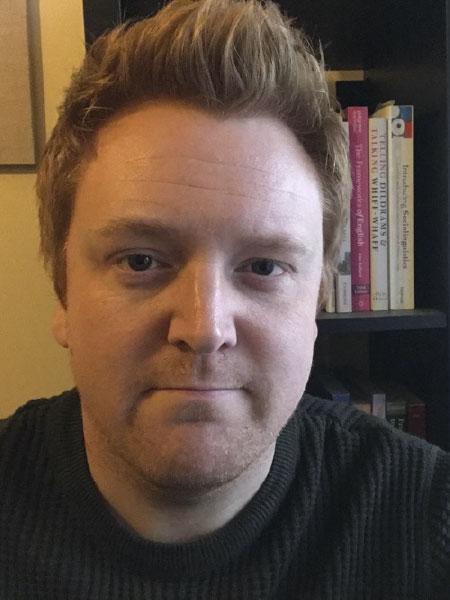
Paul Cooper (University of Liverpool, United Kingdom)
Lecturer in English Language
Paul Cooper’s research focuses on how regional dialect features are enregistered in English. Enregisterment is a process whereby a repertoire or set of language features becomes overtly linked with social values (see also Agha 2003, Johnstone et al. 2006). These social values can include class membership, regional origin, or personality traits such as ‘friendliness’. Evidence for enregistered features can be seen in dialect writing (e.g. dialect poems, songs, or where dialect is represented in literature), as well as in metapragmatic discourse or ‘commentary’ on language in forums where language is discussed (newspapers, or online in social media posts on Twitter, for instance); or where dialect features are used on commodities such as dialect dictionaries or t-shirts. Further evidence of this kind can be gained from conducting interviews to elicit speakers’ knowledge of which language features are linked to what social values. His current research looks at the enregisterment of Yorkshire dialect, both in historical contexts (via the study of nineteenth-century dialect writing) and today (via interviews with Yorkshire speakers, online surveys, and the study of modern dialect writing). He is also interested in Liverpool English, a.k.a. Scouse, and the social values associated with this variety. Additionally, he is looking at how both of these varieties are evaluated and used as linguistic resources in educational contexts by younger speakers. He has been a member of the DING group since 2021.

Carolina Fernández Quintanilla (Universidad de Salamanca)
Lecturer in English language and linguistics
Carolina Fernández Quintanilla holds a PhD in linguistics and an MA in English language and literary studies from Lancaster University, and a BA in English philology from the University of Extremadura. Before joining the University of Salamanca, she held several teaching and research positions at the universities of Extremadura, Granada, Huddersfield, Queen’s Belfast, Chester and Lancaster. Carolina specialises in stylistics or literary linguistics. Her research interests focus on narrative, characterisation, dementia fiction, and readers’ responses during reading (especially narrative empathy). She is now expanding her areas of study to include historical sociolinguistics and Irish English within the ReDiaLing project. She is part of the research team in the ReDiaLing:IRE sub-project (PI: Carolina Amador-Moreno), in coordination with the ReDiaLing:ENG sub-project (PI: Javier Ruano García), which includes several DING team members. Carolina has been a member of DING since 2026.

Tamara García Vidal is a Lecturer in the Department of Foreign Languages and Linguistics at the National University of Distance Education (UNED), where she primarily teaches English language and linguistics and language variation and change in English. She holds a PhD in English Linguistics from the University of Murcia (2020), where she was awarded the Extraordinary PhD Award in 2022. Her main research interests lie in the fields of historical (socio)linguistics, language variation and change and corpus linguistics. Much of her research examines how patterns of English linguistic variation and change are influenced by social and historical contexts, with particular attention to processes of standardisation, the spread of linguistic innovations, and the pragmatic conventions found in historical written correspondence. She has participated in several national and international research projects, examining sociolinguistic patterns across English historical corpora. Her publications include book chapters and articles in peer-reviewed journals, including Studia Anglica Posnaniensia, Folia Linguistica Historica, and the Journal of Historical Sociolinguistics. Since 2024, she has also been a member of the Board of Referees for Atlantis, the journal of the Spanish Association for English Studies. As of April 2025, Tamara is the convenor of the Sociolinguistic Panel at the annual conferences of AESLA (the Spanish Society for Applied Linguistics). Tamara has been a member of DING since 2025.
Doctoral Students

Lucía González Garrido
Lucía González Garrido holds a BA in English Studies from the Universidad de Huelva (2022), where she received the extraordinary award for her BA thesis on the semantic and dialectal development of selected Yorkshire vocabulary. She later obtained a MA in Secondary Education and Foreign Language Teaching from the University of Huelva (2023), a MA in English Studies (OMiES) from the University of Jaén (2024) and a MA in Literary Translation from ISTRAD – Instituto Superior de Estudios Lingüísticos y Traducción (2024). She is currently writing her PhD dissertation under the supervision of Javier Ruano-García. Her main interests are historical linguistics, diachronic dialectology, sociolinguistics, and corpus linguistics, with a focus on regional English dialects.
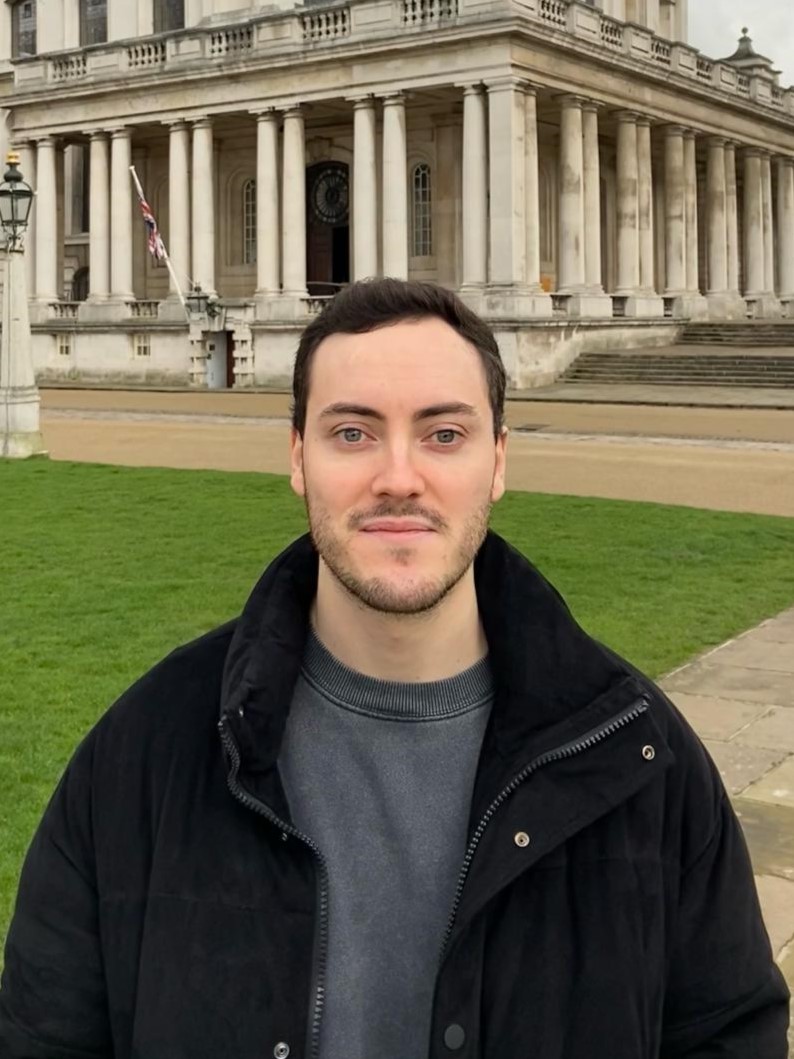
Alejandro Guevara Guevara
Alejandro Guevara Guevara holds a BA in English Studies from the University of Salamanca (2022), receiving the extraordinary award on his thesis on the Scandinavian influence in the East Midlands under the supervision of María F. García-Bermejo Giner. He later obtained a MA in Advanced English Studies from the Universities of Salamanca and Valladolid (2023). He is currently writing his PhD dissertation under the supervision of Javier Ruano-García. His main research interests are English phonetics and phonology, historical linguistics, diachronic dialectology, and sociolinguistics. Alejandro was awarded the Catalina Montes Award to the best linguistics presentation at the 47th AEDEAN Conference held at the Universidad Pablo de Olavide de Sevilla in November 2024.

Jorge Andrés Prieto Prat
Jorge Andrés Prieto Prat holds a BA in English Studies from the University of Salamanca (1987), obtaining a MA there after writing his thesis on the representation of Hiberno-English by twentieth-century Irish playwrights, under the supervision of María F. García-Bermejo Giner (1998). Before retiring in 2024, he worked as a high school teacher for 36 years in Spain and the US, and at the University of Salamanca (1997-2014), where he taught English Phonetics and Phonology and other subjects. He is currently writing his PhD dissertation under the supervision of Javier Ruano-García. His main research interests are ESL/EFL/EIL speech skills, spoken corpora, applied linguistics and dialectology. He has been a member of the DING group since 2024.
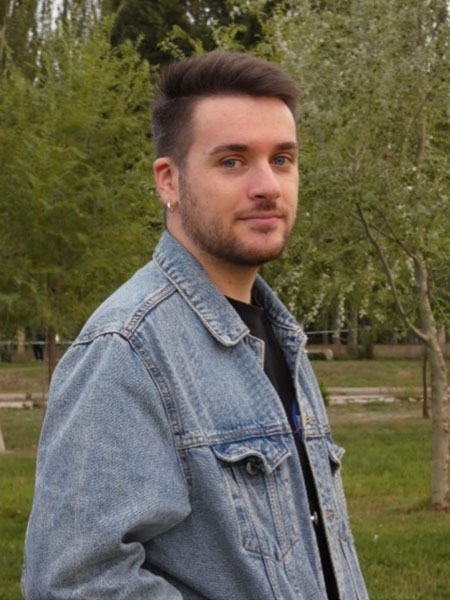
Manuel Villamarín González
Manuel Villamarín González holds a BA in English Studies from the University of Salamanca (2020). In 2021, he graduated from the MA in Advanced English Studies (Universities of Salamanca and Valladolid) with a dissertation on the British diaspora in Australia that was supervised by Pilar Sánchez-García and for which he received the extraordinary award. Manuel is currently working on his PhD under the supervision of Javier Ruano-García and Pilar Sánchez-García. His research interests include phonetics and phonology, English historical linguistics, diachronic dialectology, literary dialects and dialect literature, and the British diaspora.